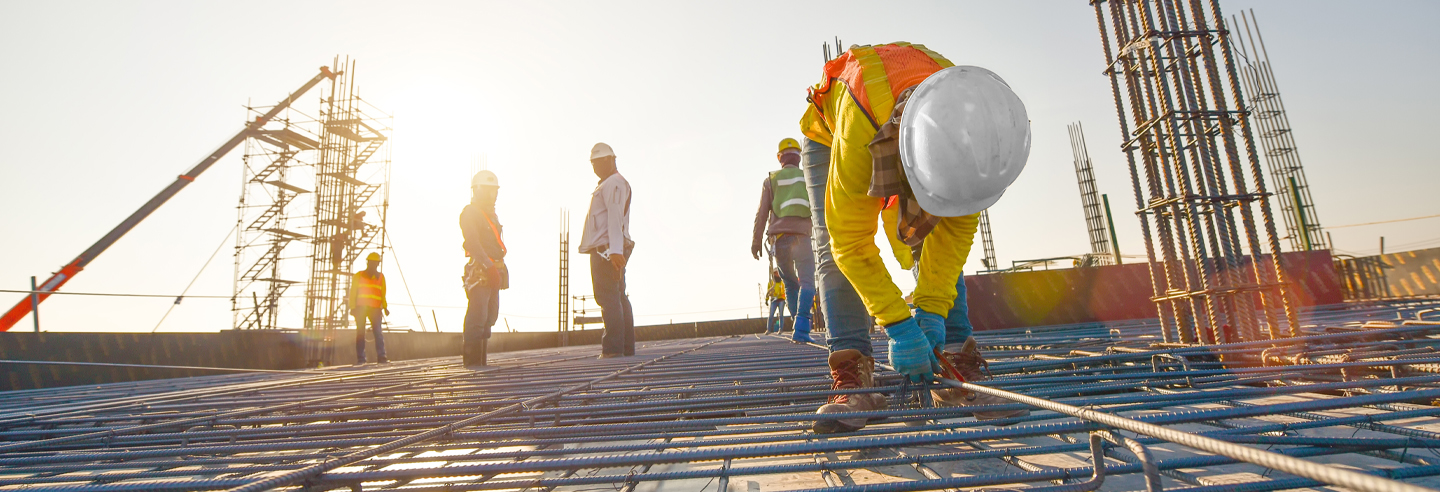


Understanding construction involves exploring the processes, skills and decisions that shape how buildings and infrastructure come together. Construction plays an essential role in housing, transport, commercial development and public services. It brings together planning, design, materials and coordinated labour to create structures that support everyday life. This broad field includes numerous stages, each contributing to the safety, durability and functionality of the final project.
The Planning Stage
Construction begins with detailed planning. This includes defining the purpose of the building, identifying the needs of users and interpreting the constraints of the site. Preliminary surveys assess soil conditions, boundaries, access routes and any environmental factors that may influence the design. These early findings help architects and engineers determine feasible layouts, appropriate materials and suitable foundation types.
Planning also involves regulatory approvals. Local authorities review proposals to ensure they meet building regulations, zoning rules and environmental requirements. These steps aim to safeguard public safety and ensure that new developments are appropriate for their surroundings. Once planning permission is granted, the project can move into technical design and preparation for construction work.
Design and Technical Development
The design phase transforms ideas into clear, buildable plans. Architects produce drawings that outline the structure’s form and function, ensuring that the building meets the needs of its users. Structural engineers calculate the loads and stresses the building must withstand and plan systems that maintain stability and safety. Mechanical and electrical experts contribute by designing heating, ventilation, power and lighting systems.
During this stage, digital tools and models support collaboration between teams. The use of detailed 3D modelling helps identify potential issues early and allows adjustments before construction begins. Technical development is an essential part of ensuring that the building will perform as intended and follow regulatory standards.
Materials and Construction Methods
Construction uses a variety of materials, each chosen for specific properties. Traditional materials such as timber, brick and stone remain widespread, while modern options like reinforced concrete, steel and engineered timber increase flexibility and durability. Material selection depends on cost, performance requirements, environmental impact and the intended lifespan of the building.
Construction methods vary depending on the project. Traditional on-site building involves sequencing tasks such as excavation, foundation laying, structural assembly and finishing. In contrast, modular construction and prefabrication manufacture components off-site for faster assembly. These approaches aim to improve efficiency and reduce waste. Information resources such as A guide to Construction provide further detail on how these processes work and how methods have developed over time.
Roles Within the Construction Industry
Construction requires a wide range of skills. Project managers coordinate budgets, schedules and communication across teams. Quantity surveyors estimate costs and monitor expenditure. Architects, engineers and consultants provide design and technical expertise. On-site workers, including bricklayers, electricians, plumbers and carpenters, carry out the practical tasks that turn plans into reality.
Each role contributes to the success of the project. Collaboration ensures that safety, timing and quality standards are met at every stage. Effective teamwork is essential, as construction projects often involve tight deadlines and complex logistics.
Health, Safety and Compliance
Construction sites present potential hazards such as working at height, handling machinery and managing temporary structures. Health and safety legislation outlines responsibilities for employers, workers and contractors. Risk assessments, protective equipment and clear communication help create safer working environments.
Compliance with building regulations is also essential. These rules cover fire safety, insulation, ventilation, drainage and structural integrity. Adhering to these standards ensures that buildings remain safe, comfortable and usable throughout their lifespan. Regular inspections support compliance and address any issues that arise.
Environmental Considerations
Sustainability is an increasingly important part of construction. Designers and builders consider the environmental impact of materials, construction processes and building operation. This includes selecting low-impact materials, improving thermal performance and reducing waste. Efficient use of resources helps limit the long-term environmental footprint of a development.
Energy efficiency, water conservation and waste reduction are common goals in modern construction. Life cycle assessments support decisions about materials and systems that help buildings perform better over time.
Technology and Modern Developments
Technology continues to influence construction practices. Digital modelling improves accuracy and coordination. Drones assist in surveying and monitoring progress. Advanced machinery enhances precision and reduces manual labour. Innovations in materials, such as improved insulation or sustainable concrete alternatives, also help shape the industry’s evolution.
As technology advances, construction methods adapt to support safer, more efficient and more sustainable outcomes.
Understanding the Construction Process
Construction is a multifaceted discipline involving planning, design, coordination and practical skill. Each stage builds upon the last to create structures that fulfil specific purposes and serve communities effectively. Whether developing small residential buildings or large infrastructure projects, construction depends on clear communication, technical understanding and sound decision-making. This overview highlights the main elements involved and offers a foundation for developing a deeper understanding of how construction shapes the built environment.